
Kategoriler
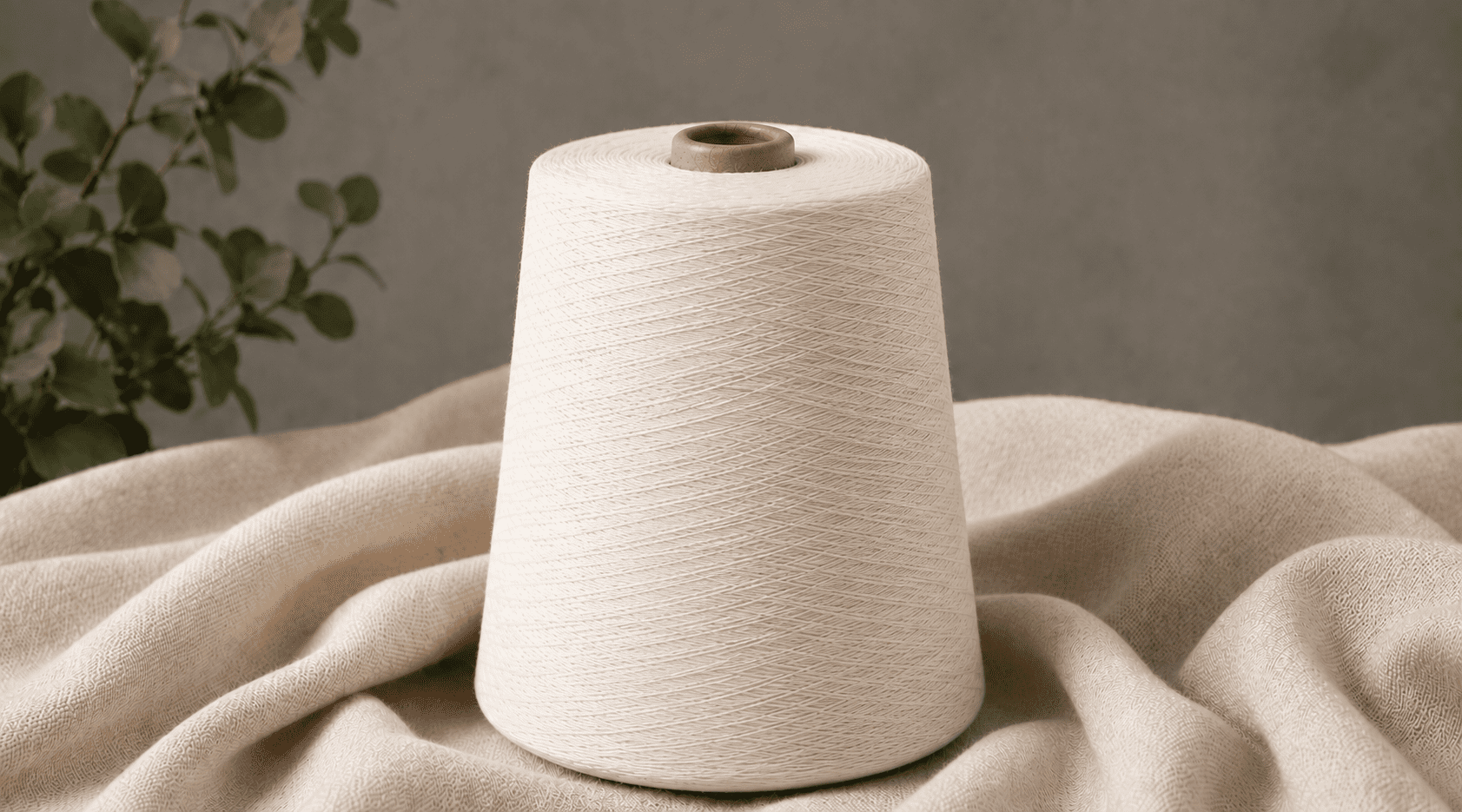
What is Yarn? Types of Yarn and Its Importance in Fabric Production
Yarn is one of the fundamental building blocks of textile products. The appearance, durability, hand feel, surface characteristics, and usage performance of a fabric largely depend on the properties of the yarn used.
Read more...
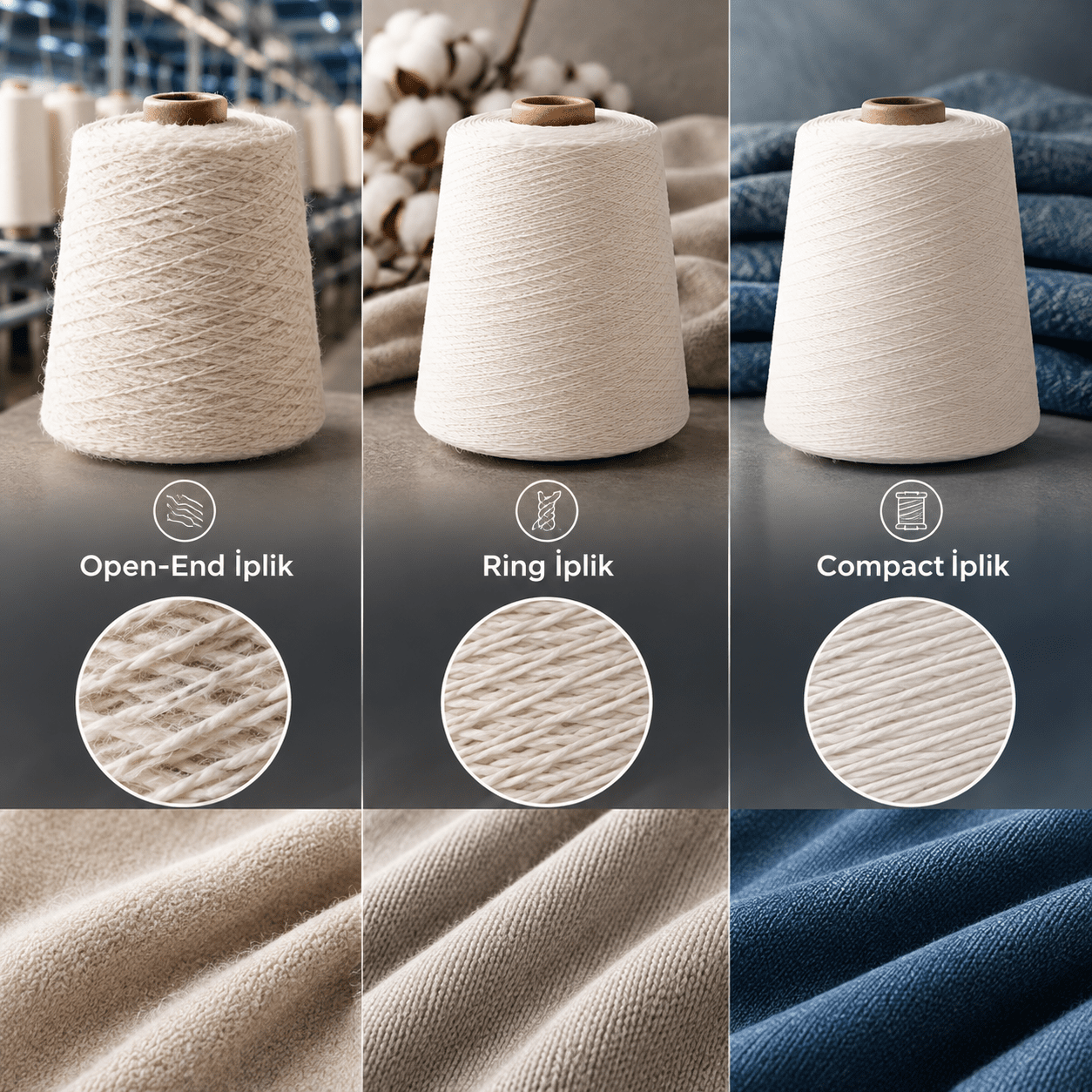
What Are the Differences Between Open-End, Ring, and Compact Yarns?
The properties of yarns used in the textile industry vary according to their production technology. Knowing the differences between Open-End, Ring, and Compact yarns makes it easier to select the right yarn for the right fabric and product.
Read more...
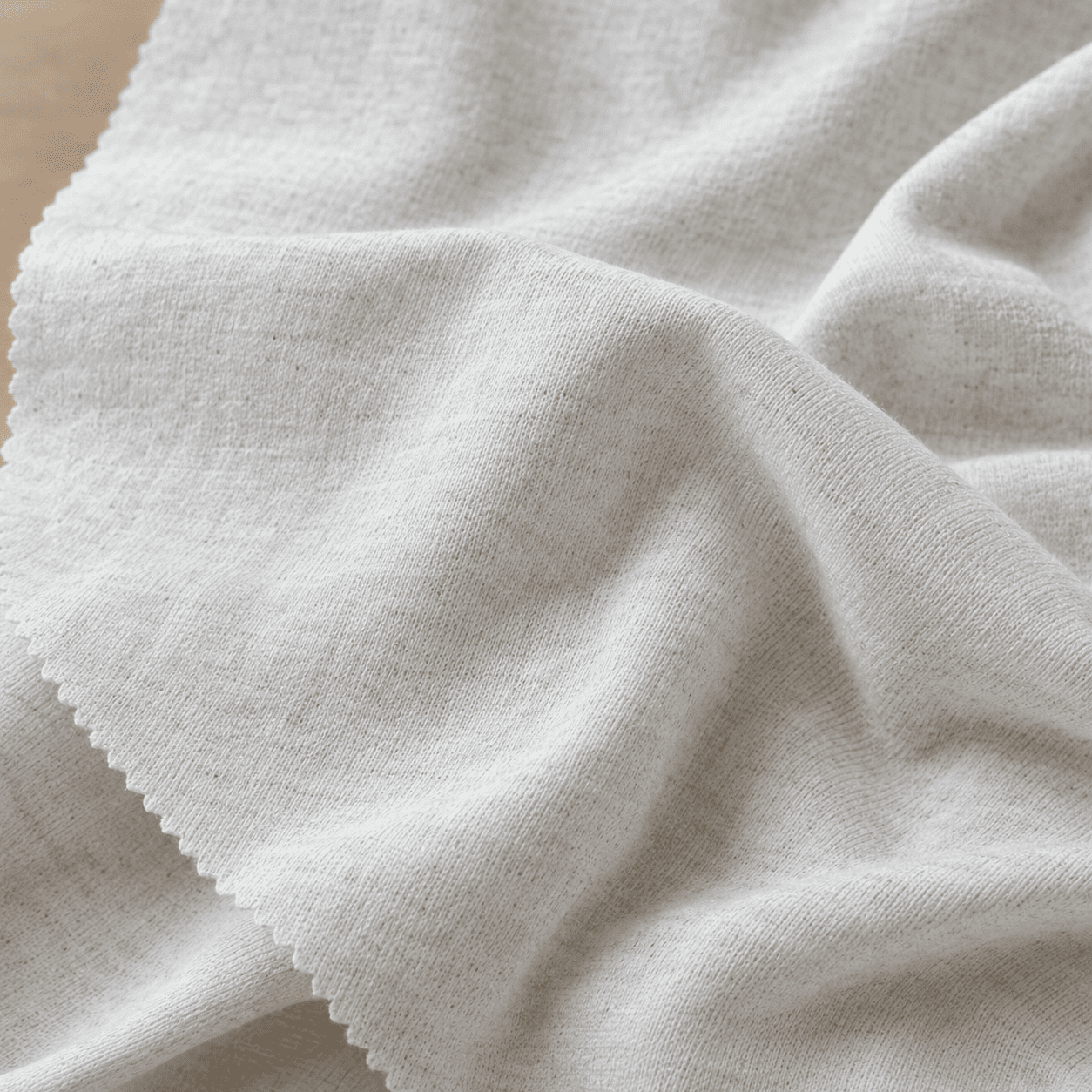
What is Knitted Fabric? Characteristics and Usage Areas
Knitted fabric is a textile surface formed by interlocking yarns to create loops. Due to its flexible structure, comfort, and adaptability to different application areas, it holds an important place in the textile industry.
Read more...
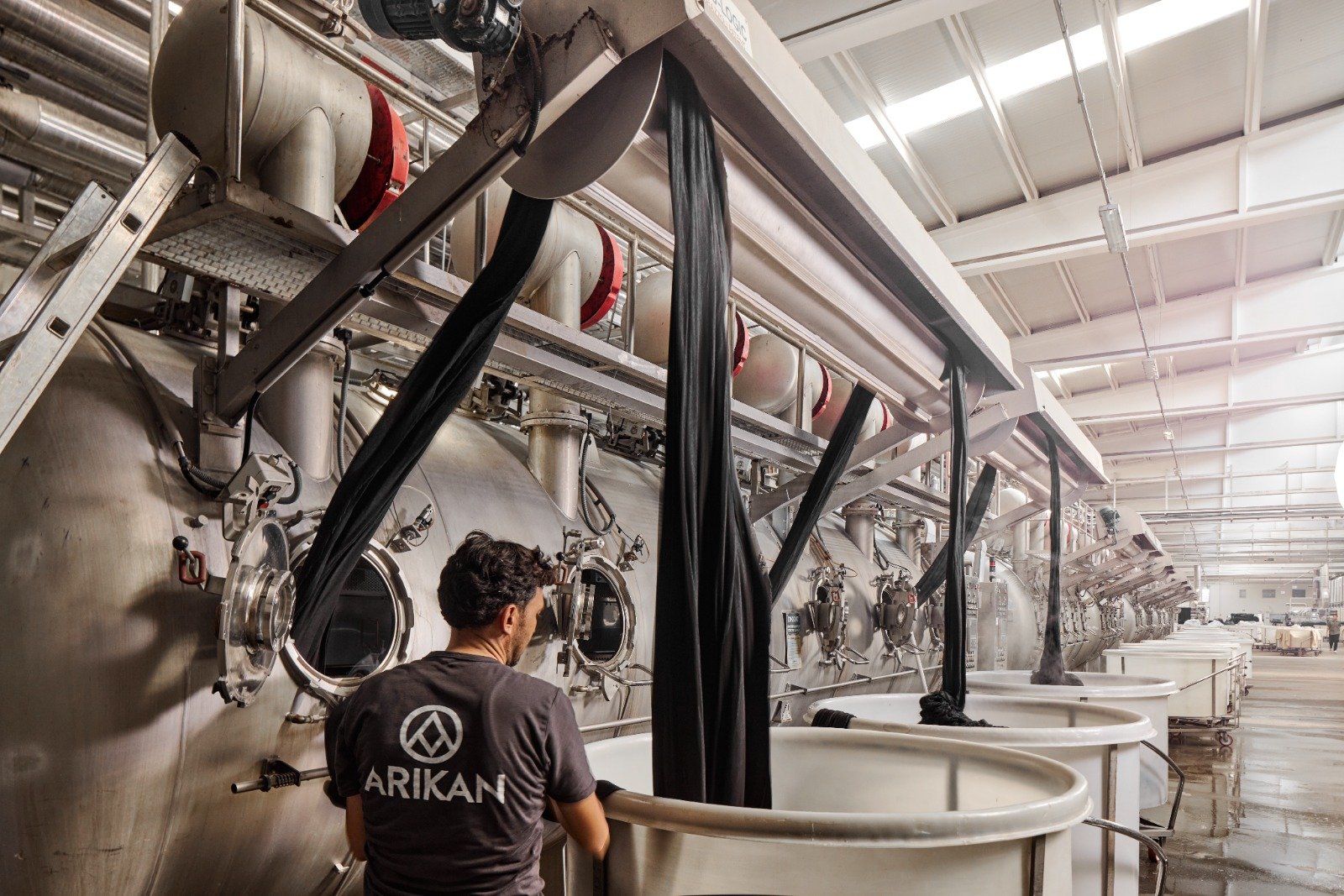
How is Fabric Dyeing Done? Stages of the Textile Dyeing Process
One of the most important stages in the fabric production process is dyeing. Proper dyeing is essential not only for the fabric's color appearance but also for its functional properties and final product quality.
Read more...
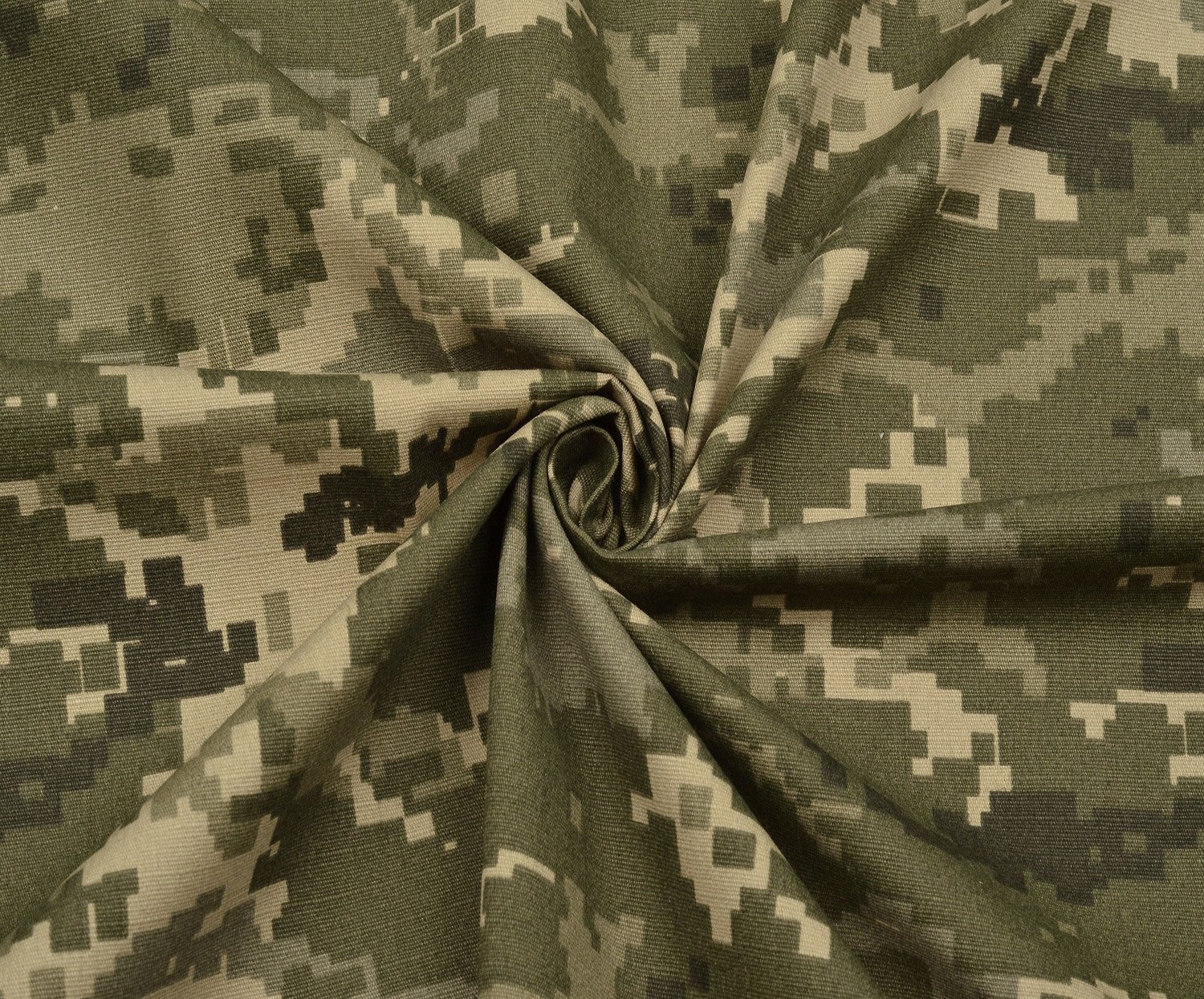
What is Military Fabric? Fabric Selection in Military and Security Textiles
Military textiles may have different expectations than standard apparel fabrics due to their usage conditions. Field conditions, climate, duration of use, durability, and the mission objective of the product are essential criteria in fabric selection.
Read more...
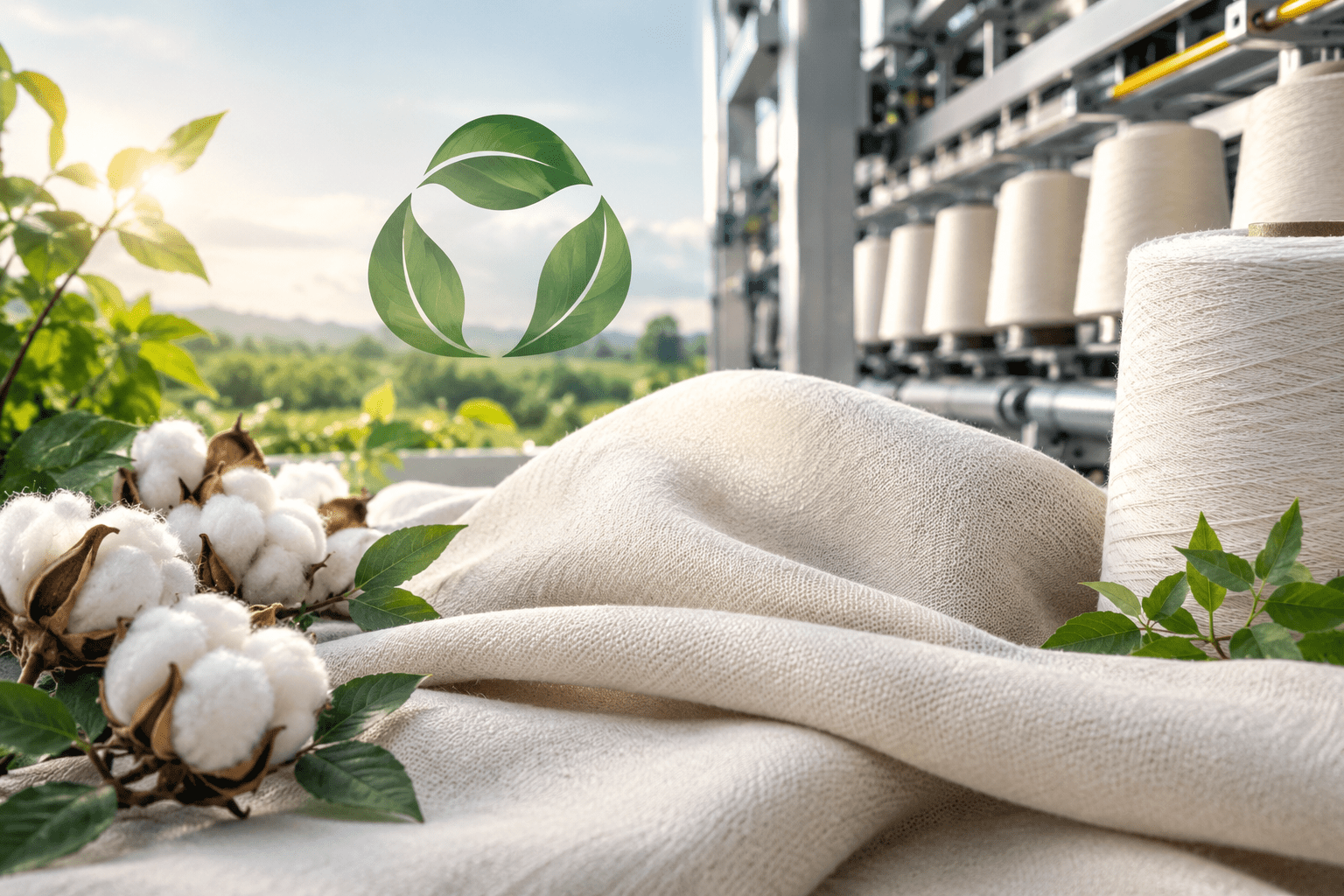
What is Sustainable Fabric? Sustainable Production in the Textile Industry
Sustainability in the textile industry is a broad topic that is not limited strictly to the type of fabric used. Many stages, from raw material selection to production processes, energy and water consumption to the product's lifespan, are integral parts of the sustainability approach.
Read more...
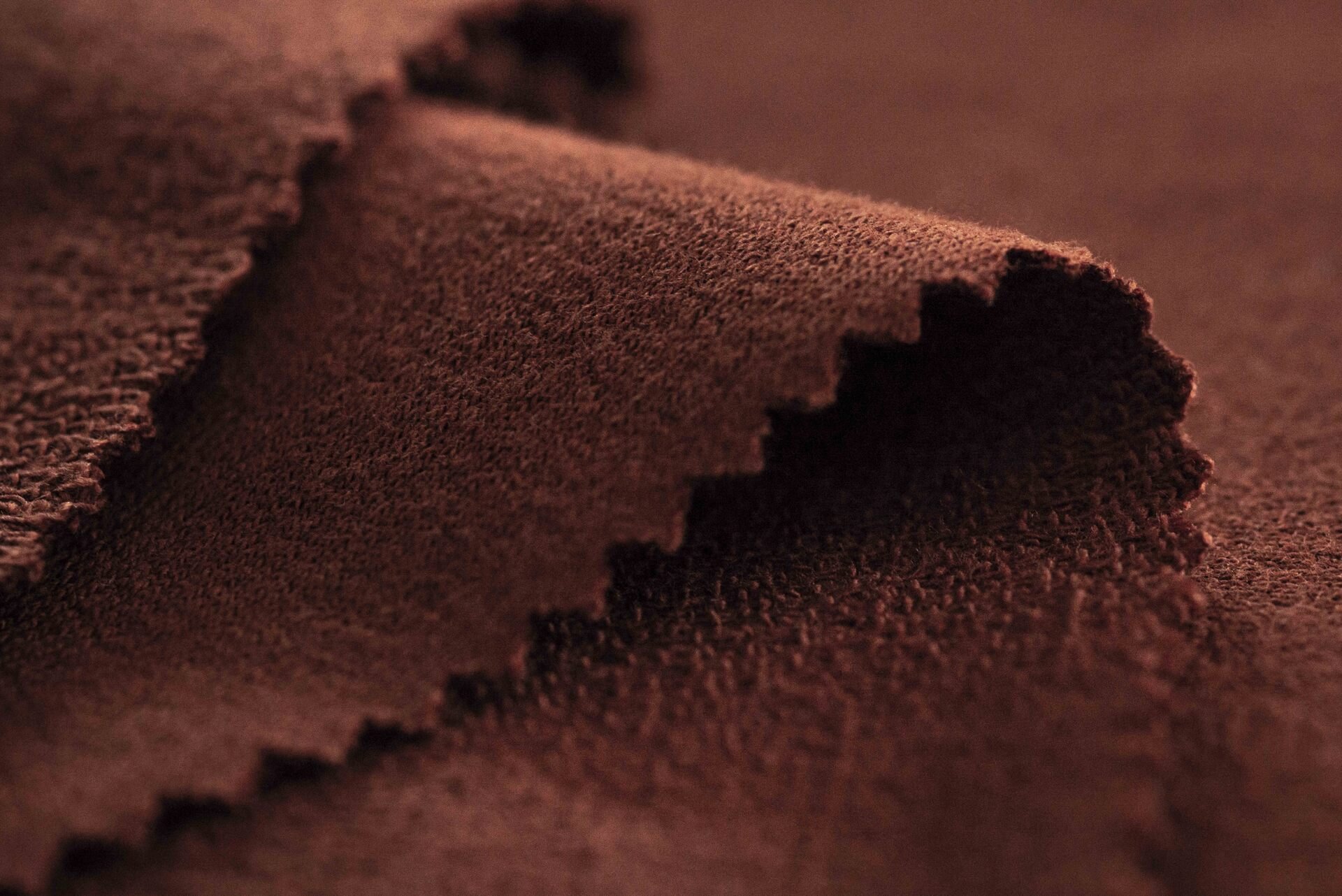
What is Custom Fabric? How is Tailor-Made Textile Production Done?
Not every textile product can be produced with a standard fabric. Some products require physical, technical, or visual characteristics specific to their area of use. In such cases, custom fabric production comes into play.
Read more...

Advantages of Integrated Production from Yarn to Fabric in Textile Manufacturing
The continuity of product quality in the textile industry depends on the proper management of production processes. The harmonized operation of different production stages such as yarn, knitting, and dyeing is essential in this regard.
Read more...
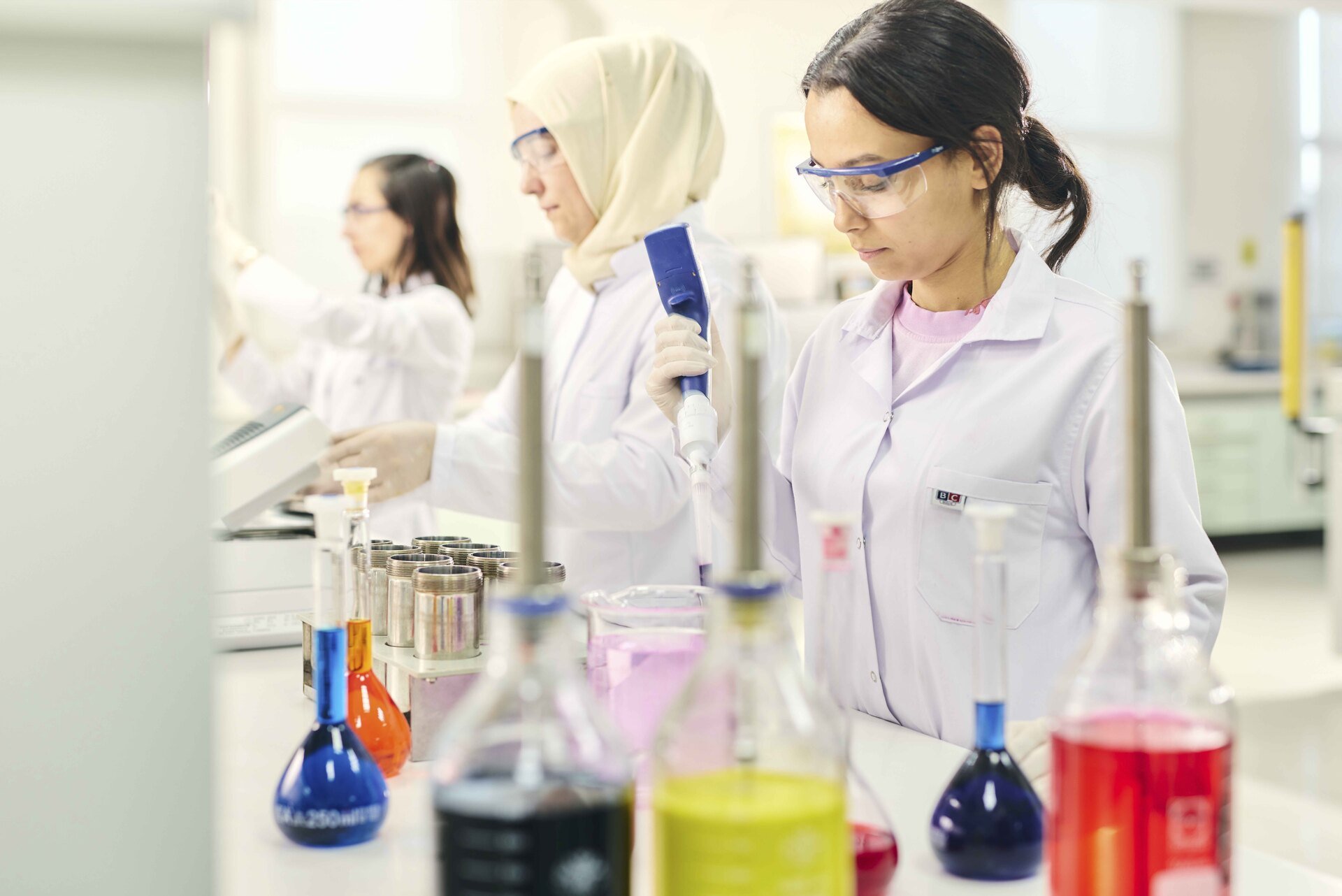
Why is R&D Important in the Textile Industry? Development of Next-Generation Fabrics
The textile industry is not merely composed of traditional production methods. Changing consumer expectations, technical requirements, and sustainability goals make the development of new fabrics essential.
At this point, R&D activities play a crucial role.
Read more...
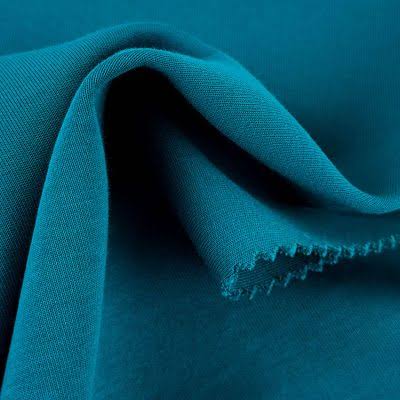
What Should Be Considered When Choosing Textile Fabric? How to Choose the Right Fabric?
Choosing the right fabric is a critical factor in the success of a textile product. However, fabric selection should not be made based on color or price alone. The product in which the fabric will be used, its operating conditions, and expected performance must be evaluated together.
Read more...