
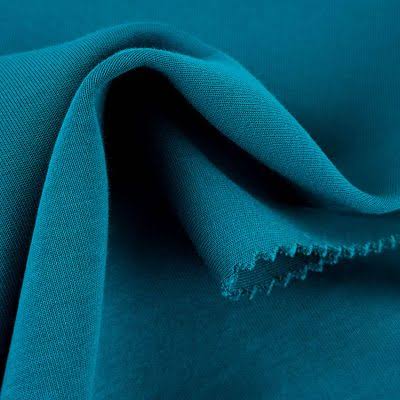
1. Intended use of the fabric First of all, where the fabric will be used must be determined. The expectations from fabrics to be used for t-shirts, sportswear, workwear, military textiles, or technical products can differ significantly from one another.
2. Fabric composition Which fibers make up the fabric is an important selection criterion. Cotton, polyester, viscose, modal, elastane, and various specialty fibers can provide different characteristics. Therefore, the right composition should be determined according to the intended use of the product.
3. Fabric weight (GSM) Fabric weight refers to the weight per unit area of the fabric. The usage areas and performance expectations of lightweight fabrics and heavyweight fabrics can be quite different.
4. Yarn selection Yarn selection plays an essential role in the quality of the fabric. The type of yarn and its production technology can directly affect the fabric's surface appearance, hand feel, and usage characteristics.
5. Dyeing and color Color consistency is of paramount importance, especially in corporate apparel, fashion, and mass-produced items. Selecting the correct dyeing process and performing proper quality control are crucial for the product's final appearance.
6. Durability The operating conditions of the fabric must strictly be taken into account. The expectations from a fabric for a product that will be washed frequently or used heavily will not be the same as those for a short-term use item.
7. Sustainability Today, sustainability criteria are gaining more and more importance in fabric selection. Raw material selection, manufacturing processes, energy and water consumption, chemical management, and product lifespan should be evaluated together.
8. Technical capacity of the manufacturer In fabric selection, one should look not only at the product itself but also at the manufacturer's production infrastructure. Manufacturers who can manage yarn, knitting, dyeing, and R&D processes together can possess more comprehensive production capabilities to develop solutions for diverse needs.
Conclusion Selecting the right fabric requires evaluating many criteria together, such as intended use, composition, yarn, weight, color, durability, and sustainability. Working with professional textile manufacturers can help the process—from determining the right fabric to sampling and mass production—proceed in a more controlled manner.


Kumaş sektöründeki en yeni koleksiyonlarımızla dünya modasının kalbinde yerimizi aldık.Sürdürülebilirlik odaklı üretim anlayışımız ve yüksek kaliteli dokularımızla, hem doğaya hem geleceğe değer katıyoruz.
Standımızı ziyaret ederek geleceğe değer katan kumaş üretimimizi ve yenilikçi dokularımızı yakından görün.
Tarih: 3 – 5 Şubat 2026
Yer: Paris
Stand No: 5T59